Linda Bottrell's Unforgettable Journey Through Peru
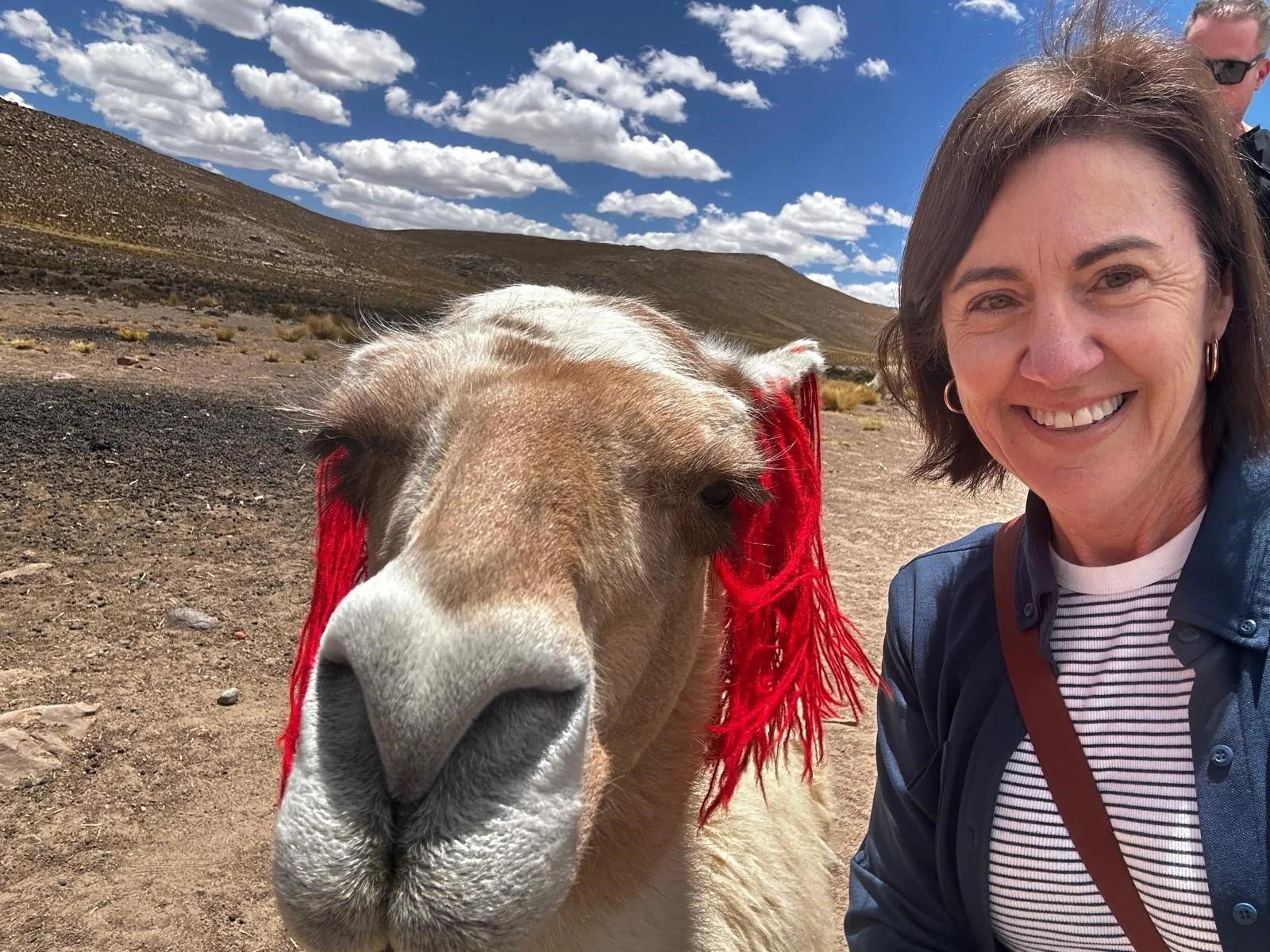
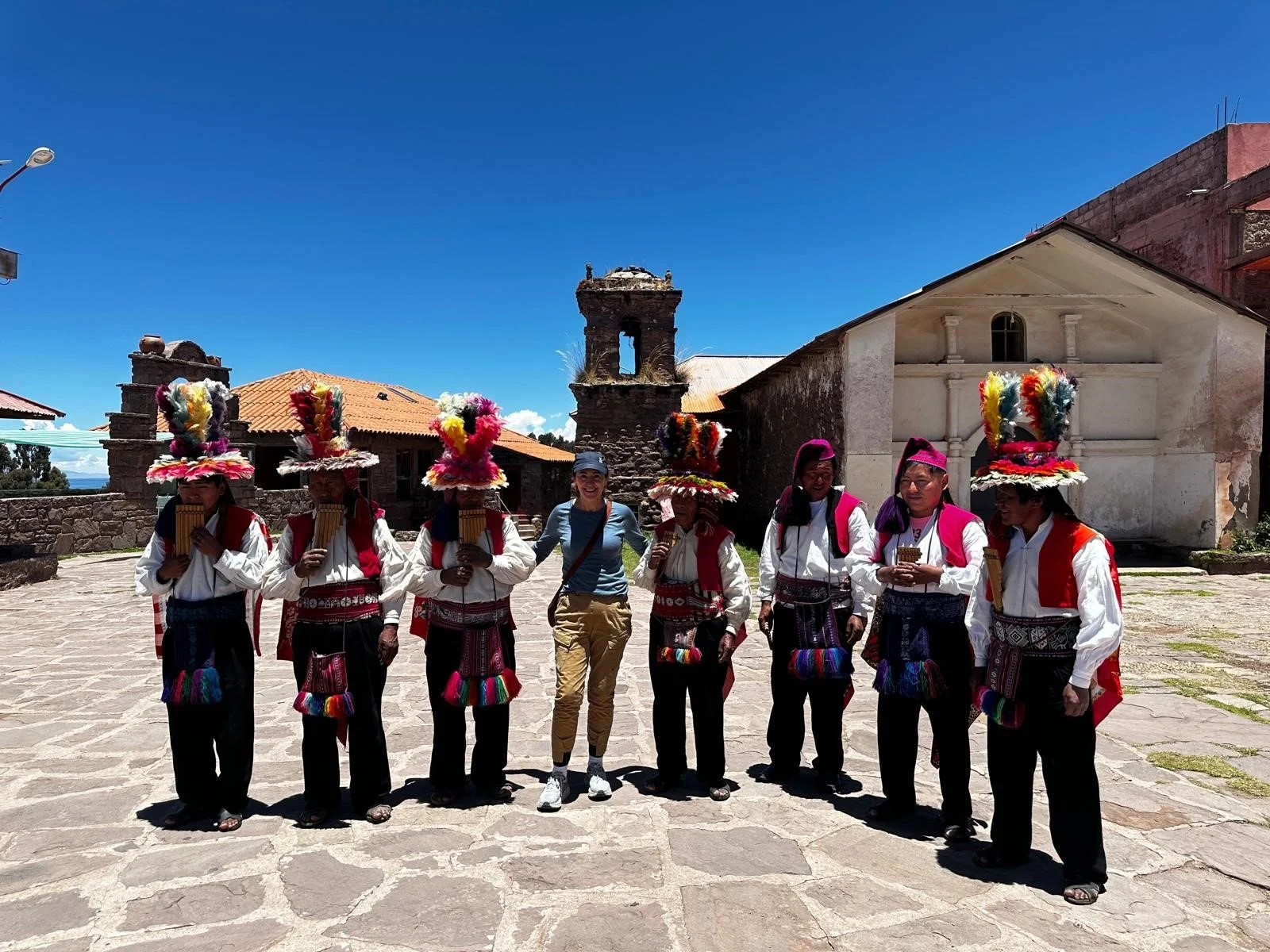
In the 80s, I remember seeing colourful Peruvian pipe bands busking in Fremantle, and wondered if I would ever get the opportunity to hear that music in the land where it originated… I did!
In October 2025, I travelled to Lima in Peru with Latam Airlines via Santiago. Greeted by the majestic Andes Mountains on arrival, I really knew I had arrived in South America! My adventure had started!
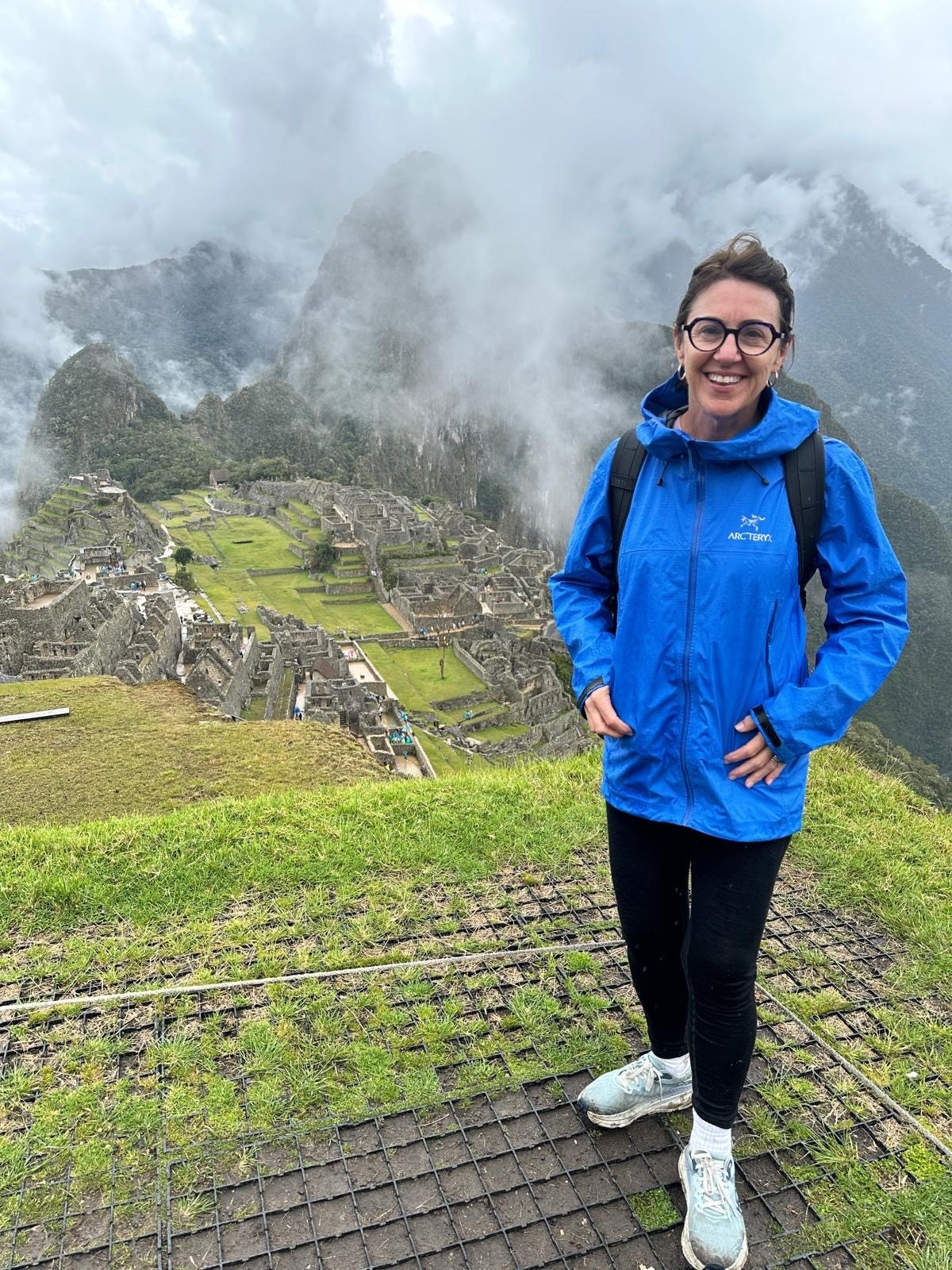
Lima is a huge, bustling city and a gateway for all that Peru has to offer. Learning to make Pisco Sour cocktails at Boutique Hotel B was a real highlight, as was eating our fair share of ceviche, too. We had started our food journey in Peru.From Lima, we flew to Cusco and then travelled to the Sacred Valley and onto Machu Picchu. We were in high altitudes now. Visiting traditional towns en route, we were treated to a gourmet picnic in the fields, with our own marquee and traditional Peruvian food.
Sacred Valley is 2800m above sea level, and the mountains and rivers are a spectacular sight. We arrived and stayed at the magnificent Tambo del Inka Hotel, from where we visited the area and learnt about the Inca and pre-Inca civilisations of Peru. A visit to Pisac ruins and its market, renowned as one of South America’s most colourful, located in the town’s central plaza and full of woven blankets, llama and alpaca wool hats, socks and jumpers, jewellery and more, was next.
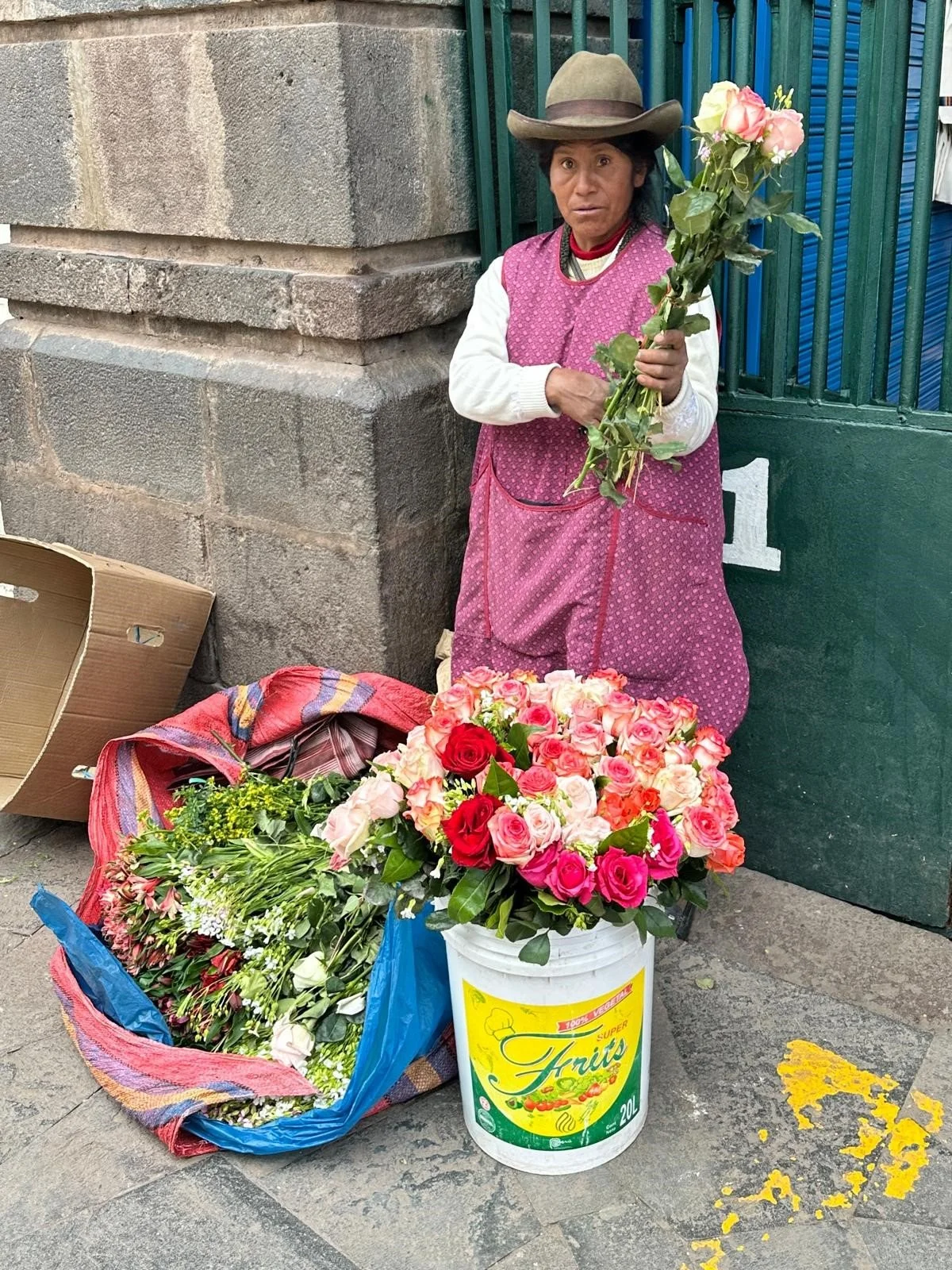
Staying in the Star Lodge Adventure Suites was a real experience. Having to be harnessed to the mountain to climb up to our cabin was something I had never experienced, but it was definitely one I enjoyed and would recommend to other adventurous clients.
We travelled to the pretty town of Ollantaytambo, which is the best surviving example of Inca city planning, with narrow cobblestone streets that have been continuously inhabited since the 13th century, before taking part in a traditional Peruvian meal experience -
The Pachamanca, which translates to “earth oven” in the Quechua language- a traditional Inca meal cooked on hot rocks. We then excitedly boarded the Train to Machu Picchu, where we stayed at Inkaterra Machu Picchu Pueblo.
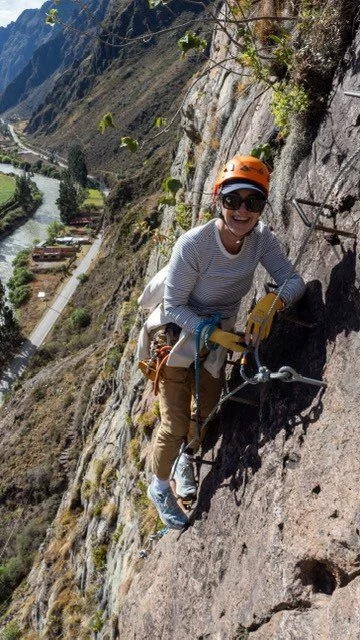
A highlight for me was definitely climbing Huayna Picchu Mountain, known as Stairs of Death due to its challenging climb, and then visiting Machu Picchu at a more leisurely pace. Being at Machu Picchu is just incredible, and we learnt a great deal of the history and the discovery of Machu Picchu from our local guides.
From Machu Picchu, we caught the train back to Cuzco and were entertained all the way with musicians and dancers and fashion parades. Shots of pisco sour were handed around to all the guests. It was a wonderful experience.
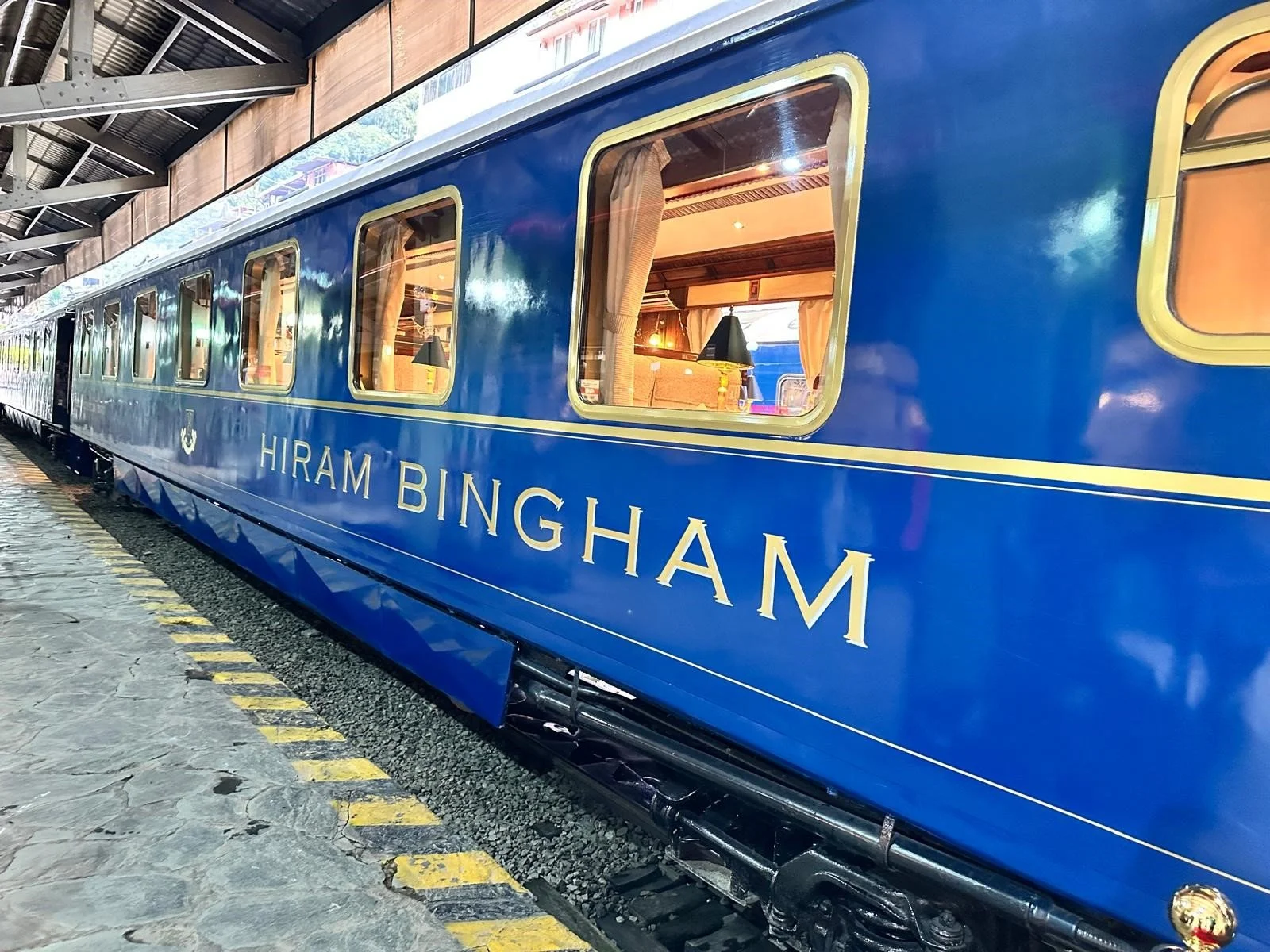
In Cuzco, we stayed at the fabulous Belmond Monasterio Hotel, housed in a meticulously restored 1592 monastery. We enjoyed a city tour the next day, and I followed this up with a much-needed massage after our climb to Huaya Picchu.
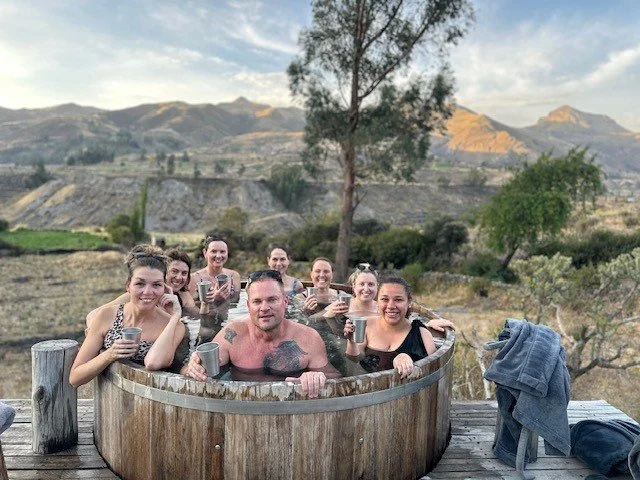
From Cusco, we travelled by road to Tinajani, Andean’s newest and most remote retreat, set within a private 150-hectare nature reserve on the route between Cusco, Puno and the Colca Valley. This hidden gem offers an ideal stopover and a base to explore the dramatic landscapes of the high Altiplano. Each camp features two tents, a private terrace with a hot tub and sweeping views, and from here we hiked through streams and trails. This was one of my highlights of the whole trip.
From Tinajani, we travelled by road to Lake Titicaca, best known as the highest navigable lake in the world at 3,810 m. From here, we sailed to the Uros Islands, where the local people use bundles of dried totora reeds to make reed boats and to make the islands themselves.
During our trip to the Colca Canyon, we stayed at a luxury tented property called Puqio. Puqio is an oasis of peace and tranquillity, nestled among ancient terraces in the heart of the valley. This intimate property features just eight guest accommodations: four luxury tents and four adobe cottages.
The onsite restaurant focuses on traditional Andean recipes, using clay and open flame to produce family-style feasts using farm fresh ingredients. We walked through the canyon with their on-site guide and enjoyed being in the breathtaking scenery of the Colca Valley.
Next, we travelled to Cruz del Condor, located within the awe-inspiring Colca Canyon. Watching the Andean condors soar was incredible; we were captivated by their impressive wingspan as they glided effortlessly above the deep canyon, providing an unmatched spectacle of nature's beauty.
Our last stop was Arequipa, known as the White City, due to its buildings made of white stone. Here we went on a Gastronomy tour, eating local foods including Guinea Pig and Alpaca which are both considered delicacies and served mainly at special occasions.
Peruvian people are very spiritual, and as well as predominantly being Catholic (introduced by the Spanish), they worship Pachamama - a revered goddess representing Mother Earth for the Quechua people of South America's Andes region, who are direct descendants of the Inca civilisation. She embodies nature and is believed to protect humanity while providing essential resources for life.
There are such interesting stories around both the Pachamama and the Inca Civilisation - one we learnt about was a girl called Juanita who was sacrificed to Pachamama - her remains lay in a museum in Cusco, which we visited.
As a West Australian, I believe we often think about travelling mainly to Europe and Asia, but it’s time to explore beyond those destinations! Peru is a culturally and geographically diverse country with so much to offer. Make sure to add it to your bucket list!